What is a Quinta? Your Complete Guide to Portuguese Wine Estates
Discover what a quinta is, the history of Portuguese wine estates, and why staying at a quinta offers an authentic wine tourism experience in Portugal's stunning regions.
Explore how sustainability has transformed wine tourism from marketing positioning to competitive requirement. Discover leading Douro Valley properties, certification standards, and practical guidance for eco-conscious wine travel in 2026.
Discover Chile's wine transformation in 2026: premium quality focus, varietal diversification, emerging regions, and wine tourism opportunities in South America's most dynamic wine destination.
Discover the latest trends in wine tourism for 2026, from immersive vineyard experiences to sustainable wine hotels. Learn about top destinations, emerging properties, and how to plan your perfect wine tourism journey.
Understanding the Quinta: Portugal's Wine Estate Tradition
If you're planning a wine tourism trip to Portugal, you'll inevitably encounter the term quinta. But what exactly is a quinta, and why are these properties so central to Portuguese wine culture and hospitality?
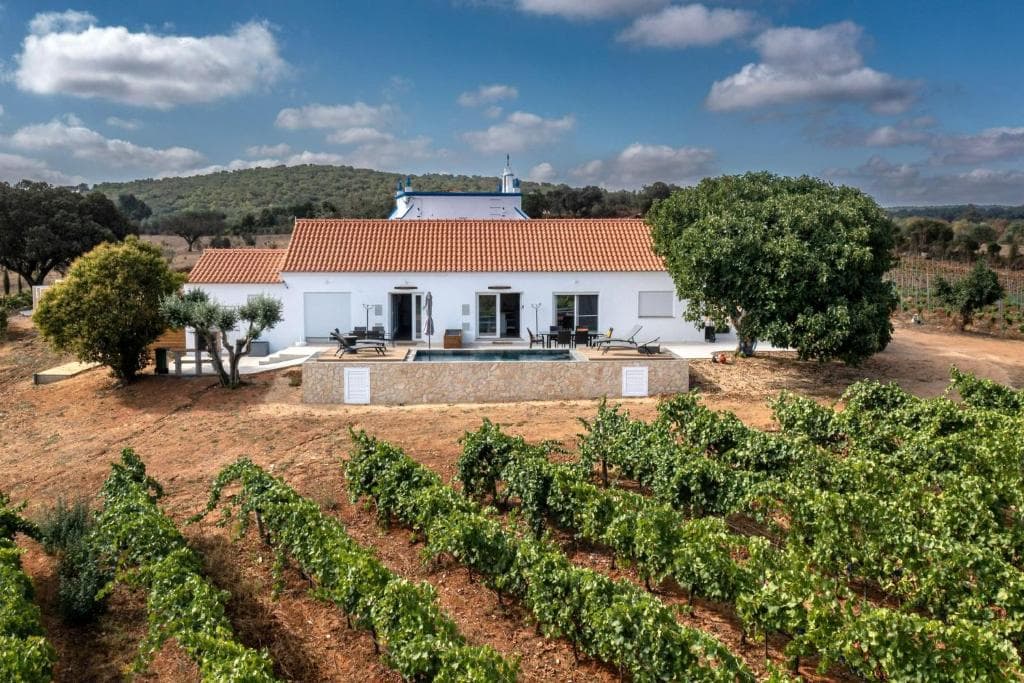
A quinta (pronounced KEEN-tah) is a traditional Portuguese term that refers to a rural estate or agricultural property, typically featuring a main manor house, vineyards, and various outbuildings. The word derives from the Latin quintus, meaning "fifth," historically referring to a farm where the tenant paid one-fifth of the harvest to the landowner.
Today, quintas represent some of Portugal's most sought-after wine tourism destinations, offering visitors an immersive experience that combines historic architecture, traditional winemaking, breathtaking landscapes, and authentic Portuguese hospitality. Experience this firsthand at properties like Quinta de la Rosa in the Douro Valley or Quinta da Plansel in Alentejo.
The History and Cultural Significance of Quintas
Quintas have been integral to Portuguese agricultural and social life for centuries. These estates were traditionally owned by noble families or wealthy landowners and served as the economic backbone of rural communities. The typical quinta encompassed not just vineyards, but also olive groves, orchards, vegetable gardens, and livestock—essentially self-sufficient farming operations.
The architecture of traditional quintas reflects their historical importance. Many feature elegant manor houses built in the 17th, 18th, and 19th centuries, adorned with azulejo tiles, baroque chapels, formal gardens, and wine cellars carved into hillsides. These buildings were designed not only for functionality but also to showcase the family's status and wealth.
In Portugal's most famous wine region—the Douro Valley—quintas take on special significance. Here, they are the heart of Port wine production, with dramatic terraced vineyards cascading down steep hillsides to the Douro River. Many of these estates have been producing wine continuously for 200-300 years or more, with some family-owned quintas passing through ten or more generations. Experience this heritage at Quinta de la Rosa, a family-owned estate established in 1906, or Vila Galé Douro Vineyards.
Barrilário Douro Wine Hotel & Spa
What Makes a Quinta Different from Other Wine Properties?
While other wine regions have their own terminology—châteaux in France, estates in Napa Valley, agriturismos in Italy, or bodegas in Spain— quintas possess distinct characteristics that set them apart:
Comprehensive agricultural operations: Unlike specialized wineries, traditional quintas often produce multiple crops beyond grapes, including olives, citrus, vegetables, and more.
Historic architecture: Many quintas feature centuries-old manor houses with distinctive Portuguese design elements like azulejo tiles, wrought-iron balconies, and baroque chapels.
Family heritage: A significant number of quintas remain family-owned and operated across multiple generations, maintaining traditional winemaking methods alongside modern techniques.
Terroir-driven wines: Quinta wines express the unique characteristics of their specific location, with many producing single-estate, single-vineyard wines that showcase terroir.
Port wine legacy: Many Douro quintas are renowned for producing exceptional Port wines, maintaining centuries-old traditions in fortified wine production.
Famous Wine Regions with Quintas
While quintas can be found throughout Portugal, certain regions are particularly renowned for their wine estates:
Southern Portugal's Alentejo region offers a different quinta experience—rolling plains dotted with cork oaks and olive trees, where estates produce robust red wines and golden whites. The climate is warmer, the pace more relaxed, and the hospitality exceptionally generous. Discover this region at Quinta da Plansel or L'AND Vineyards.
Quinta da Plansel | Arinto
Vinho Verde
In Portugal's lush, green northwest, quintas produce the country's distinctive Vinho Verde—light, slightly effervescent wines perfect for warm weather. These estates are characterized by granite manor houses and pergola-trained vines. Experience this region at Hotel Monverde in the Vinho Verde region.
Dão and Bairrada
Central Portugal's Dão and Bairrada regions feature quintas producing elegant, age-worthy wines from indigenous grape varieties. These areas offer a more intimate, less-touristed quinta experience.
Algarve
Portugal's southern Algarve region is an emerging destination for wine tourism, combining coastal beauty with vineyard experiences. While best known for golf and beaches, Quinta do Lago and the broader Algarve region are developing their wine tourism infrastructure, transforming traditional estates into luxury vineyard hotels. Learn more about wine tourism in Quinta do Lago and the Algarve in our comprehensive guide.
Staying at a Quinta: The Wine Tourism Experience
Many Portuguese quintas have opened their doors to guests, transforming historic manor houses and outbuildings into boutique hotels, bed-and-breakfasts, and luxury wine retreats. Staying at a quinta offers an authentic immersion into Portuguese wine culture that goes far beyond a simple hotel stay. Properties like Six Senses Douro Valley and The Yeatman Hotel exemplify this transformation, combining historic charm with modern luxury.
Ventozelo Hotel & Quinta
What to Expect When You Stay at a Quinta
Historic accommodations: Sleep in beautifully restored manor houses with antique furnishings, original tiles, and modern amenities discreetly integrated.
Wine experiences: Private cellar tours, guided tastings with the winemaker or family members, and opportunities to participate in harvest activities during vendemmia season (September-October).
Regional cuisine: Farm-to-table dining featuring estate-grown ingredients, traditional Portuguese recipes, and expert wine pairings.
Outdoor activities: Swimming pools overlooking vineyards, hiking trails through the estate, river cruises on the Douro, bicycle tours, and seasonal activities like olive oil pressing.
Personal attention: Unlike large hotels, quintas typically offer intimate, personalized service, often from the owning family themselves.
Stunning views: Wake up to panoramic vistas of terraced vineyards, river valleys, or rolling countryside—views that have inspired artists and poets for centuries.
How Quintas Compare to Other Wine Accommodations
Understanding how quintas differ from similar properties in other wine regions can help you choose the right wine tourism experience:
vs. French Châteaux: Quintas tend to be more intimate and less formal than grand French château hotels, with warmer hospitality and often better value for money.
vs. Italian Agriturismos: While both offer farm stays, quintas typically feature more substantial historic architecture and are more focused specifically on wine production.
vs. Napa Valley Estates: Portuguese quintas offer centuries more history, dramatic Old World terroir, and significantly lower prices compared to California wine country.
vs. Spanish Bodegas: Quintas generally provide more comprehensive accommodation experiences, while bodegas are often focused primarily on wine production with limited lodging.
Planning Your Quinta Stay: Practical Tips
To make the most of your quinta experience in Portugal, consider these expert recommendations:
Best Time to Visit
Spring (April-June): Vineyards are lush and green, weather is pleasant, and crowds are lighter. Perfect for hiking and exploring.
Harvest Season (September-October): The most exciting time to visit, when you can participate in grape picking, stomping, and witness winemaking in action. Book well in advance as this is peak season.
Fall (November): Post-harvest calm with beautiful autumn colors, particularly stunning in the Douro Valley. Excellent value and availability.
Winter (December-February): Quietest season with the lowest prices. Cozy fireplaces, hearty cuisine, and intimate experiences, though some activities may be limited.
How to Choose the Right Quinta
Consider these factors when selecting a quinta for your stay:
Location: Do you want dramatic Douro terraces, sunny Alentejo plains, or green Vinho Verde countryside?
Size and intimacy: Small family-run quintas offer personal attention; larger estates provide more amenities and activities.
Wine focus: Are you interested in Port wines, modern table wines, organic production, or traditional methods?
Accommodation style: Prefer antique-filled manor rooms or modern minimalist design?
Activities: Look for quintas offering the experiences that interest you most—cooking classes, river cruises, hiking, cycling, spa services.
Accessibility: Some quintas are remote and require a car; others are more easily accessible from major cities.
Typical Costs
Portugal offers exceptional value compared to other European wine regions. Quinta accommodations typically range from €80-150 per night for comfortable rooms in smaller estates, up to €250-400+ for luxury suites in premium properties. Many include breakfast, and some offer half-board or full-board options featuring exceptional regional cuisine.
The Future of Quintas: Tradition Meets Innovation
Today's Portuguese quintas are successfully balancing centuries of tradition with modern innovation. Many estates are:
Implementing organic and biodynamic farming practices while respecting traditional methods
Investing in state-of-the-art winemaking technology alongside historic granite lagares (traditional stone fermentation tanks)
Creating contemporary wine styles that appeal to international palates while preserving indigenous grape varieties
Developing wine tourism experiences that educate visitors about Portuguese wine culture and terroir
Restoring historic buildings with sensitivity to architectural heritage while adding modern comforts
Whether you're seeking a romantic retreat among terraced vineyards, a family adventure in wine country, or an in-depth exploration of Portuguese viticulture, staying at a quinta provides an unforgettable window into one of Europe's most authentic and affordable wine tourism destinations.
Key Takeaways
A quinta is a traditional Portuguese rural estate, typically featuring vineyards, a manor house, and comprehensive agricultural operations
Quintas have been central to Portuguese wine production for centuries, particularly in the Douro Valley for Port wine
Many quintas now offer boutique accommodations, providing immersive wine tourism experiences
Staying at a quinta offers authentic cultural experiences, historic architecture, wine education, and exceptional value
The best times to visit are spring for scenery, fall for harvest experiences, or winter for intimate, budget-friendly stays
Portugal's quintas represent one of Europe's best-value wine tourism destinations, combining centuries of heritage with warm hospitality
What is a Quinta? Your Complete Guide to Portuguese Wine Estates

 Alex Osso2026年2月7日